Guava Paste to Perfect Frosting: Colombian Flavor & Jam Swaps for Every Baker
The vibrant, sweet-tart essence of guava holds a special place in the heart of Colombian cuisine, manifesting in everything from refreshing juices to iconic desserts. One of its most delightful transformations, and perhaps one of the easiest ways to infuse a touch of tropical paradise into your baking, is through the creation of a luscious
guava frosting. Far from being a mere topping, a well-made guava buttercream tells a story of sun-drenched orchards and culinary heritage. This article delves into the art of making flawless guava frosting, drawing inspiration from Colombian traditions, offering practical tips, and exploring creative alternatives to this beloved fruit paste.
The Heart of Colombian Sweetness: Understanding Guava Paste for Your Frosting
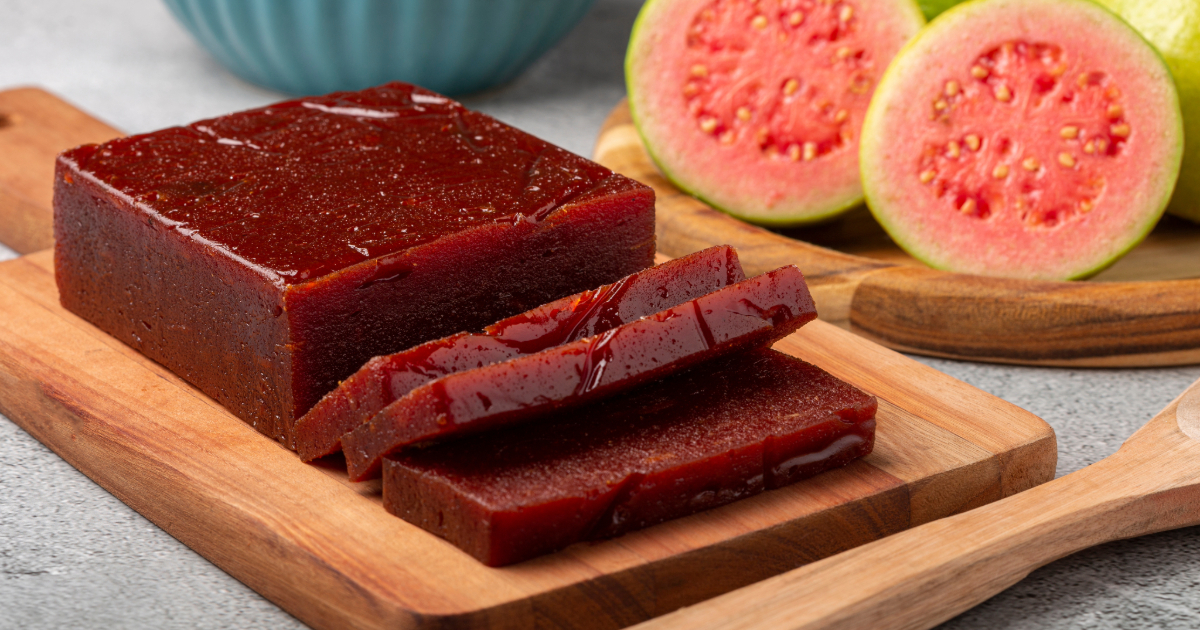
At the core of an authentic Colombian-inspired guava frosting lies *bocadillo*, or guava paste. This dense, jelly-like confection, often found in blocks, is a staple in Latin American pantries. Made by cooking down ripe guava fruit with sugar until it reaches a firm, sliceable consistency, bocadillo boasts an intense, concentrated guava flavor that's both sweet and subtly tangy. Its natural pectin content gives it a unique texture, making it an excellent candidate for flavoring desserts.
The beauty of using guava paste in frosting is its ability to deliver a profound fruit flavor without adding excessive liquid that could destabilize your buttercream. However, its firm nature means you can't simply cream it directly into butter and sugar. To achieve the silky-smooth consistency desired in a perfect buttercream, the guava paste first needs a little culinary coaxing. As hinted in traditional recipes, cooking the paste down with a bit of water on the stovetop transforms it into a smooth, jam-like syrup. This crucial step, taking only about 10 minutes, ensures that your final guava frosting is free of any gritty or chunky bits, allowing the pure, tropical essence to shine through. Once cooled, this homemade guava syrup is ready to be whipped into your favorite buttercream base, creating a truly exceptional tropical treat.
Creating an exceptional
guava frosting is a rewarding process that combines a few simple ingredients with careful technique. The goal is a light, airy, and intensely flavorful buttercream that melts in your mouth, leaving behind the delightful taste of guava.
Here’s a breakdown of the process and essential tips for perfection:
1.
Start with Quality Ingredients: Good quality unsalted butter, softened to room temperature, is paramount. This ensures it creams properly with the powdered sugar, creating an emulsified base. For the guava, use a good quality guava paste found at most Hispanic markets.
2.
The Guava Syrup Transformation: This is the key step mentioned in the references. Cut your guava paste into smaller cubes. Combine it with a small amount of water (or even a splash of tropical juice like orange or passion fruit for an extra kick) in a saucepan over medium-low heat. Stir frequently, allowing the paste to melt and dissolve into a smooth, thick syrup. This usually takes about 5-10 minutes. Once smooth, remove it from the heat and let it cool completely. *This cooling step is non-negotiable*; warm syrup will melt your butter and ruin your buttercream.
3.
The Buttercream Base: In a large mixing bowl, beat the softened butter until light and fluffy. Gradually add sifted powdered sugar, alternating with a splash of milk or cream, and a touch of vanilla extract.
4.
The Art of Sifting: One of the most critical, yet often overlooked, steps for a smooth frosting is sifting your powdered sugar. As highlighted in many recipes, powdered sugar can clump easily, and these clumps will remain stubbornly gritty in your finished frosting, no matter how much you beat it. Sifting ensures an airy, lump-free sugar that blends seamlessly into the butter, creating that coveted smooth texture for your guava frosting.
5.
Incorporating the Guava: Once your butter and sugar base is smooth and your guava syrup is completely cooled, gradually beat the guava syrup into the buttercream. Start with a couple of tablespoons, mixing well after each addition, until you achieve your desired level of guava flavor and color. Be careful not to add too much liquid at once, which can make the frosting too loose.
6.
Cooling is Crucial: Remember the advice from our sources: *always cool your cake or cupcakes completely to room temperature before frosting.* This can take well over an hour, but patience is a virtue here. Frosting a warm cake will cause the buttercream to melt and slide right off, turning your beautiful creation into a gooey mess. For delicate decorations, you might even consider chilling the cake slightly after initial cooling.
7.
Troubleshooting Frosting Consistency:
*
Too Thick: Add milk, cream, or a touch more cooled guava syrup (if you have extra) one teaspoon at a time until desired consistency is reached.
*
Too Thin: Add more sifted powdered sugar, one tablespoon at a time, beating well after each addition. If the frosting seems curdled, it might be too cold or too warm; try adjusting the temperature slightly.
*
Grainy: This is usually due to unsifted powdered sugar or insufficient beating. Unfortunately, once grainy, it's hard to salvage completely, but sometimes a quick whip in a food processor can help break down larger sugar crystals.
By following these detailed steps and heeding these practical tips, you’ll master the art of making a perfectly smooth, vibrant, and delicious
perfect guava frosting every time.
Beyond Guava: Creative Jam & Fruit Paste Swaps for Your Tropical Buttercream
While guava paste is undeniably special for its unique flavor profile and thick consistency, the technique of transforming a fruit paste or jam into a flavorful syrup for buttercream opens up a world of possibilities. For those times when guava paste is hard to find, or when you simply want to experiment with other tropical or berry notes, the principles remain the same.
Our reference context specifically mentions *strawberry jam* as a simple, direct swap for guava paste. The beauty here is that most fruit jams already have that smooth, spreadable consistency, eliminating the need to cook them down into a syrup. You can simply add 2 tablespoons (or more, to taste) directly into your buttercream base, adjusting for sweetness and consistency. This makes for a
quick guava frosting variant, or rather, a quick *fruit* frosting, if using a jam other than guava.
But don't stop at strawberry! Consider these delightful alternatives:
*
Raspberry Jam: Offers a tart, bright flavor that contrasts beautifully with sweet cakes. Strain out the seeds if you prefer a perfectly smooth finish.
*
Mango Puree/Paste: For another tropical twist, a thick mango puree (reduced on the stove if too watery) or mango paste can provide a sunny, exotic flavor.
*
Passion Fruit Puree: Known for its intense, aromatic tang, passion fruit can create a truly unforgettable and zesty buttercream. You'll likely need to reduce it slightly to concentrate the flavor and reduce water content.
*
Fig Jam: For a more sophisticated, earthy sweetness, fig jam can be a wonderful choice, especially paired with nutty cakes or cheese boards.
*
Apricot Jam: Provides a delicate sweetness and a beautiful golden hue, perfect for classic white cakes or almond-flavored desserts.
When substituting, keep these points in mind:
*
Sweetness Level: Jams and fruit pastes vary in sugar content. Taste your chosen swap before adding it, and adjust the amount of powdered sugar in your buttercream accordingly to achieve your desired sweetness.
*
Consistency: Thinner jams or purees might require a slight reduction on the stovetop to prevent them from loosening your buttercream too much. Conversely, if using a very thick paste (like quince paste), you might need to thin it with a touch of water just like with guava paste.
*
Acidity: More acidic fruits might slightly curdle milk or cream in your frosting if added in very large quantities or if the ingredients are at different temperatures. Add gradually and mix well.
Exploring these swaps allows you to adapt the core technique of fruit-flavored buttercream, proving that the vibrant essence of fruit can elevate almost any dessert.
Pairing Your Tropical Guava Frosting: Beyond the Corn Cake
The inspiration for this delightful frosting often comes from Colombian culinary traditions, specifically the "Mazzamora" – a sweet corn drink or soup. This led to the ingenious combination of corn cake with
guava frosting, a pairing that offers a rustic yet refined flavor profile. The subtle earthiness and sweetness of cornmeal in a fluffy cake provide the perfect canvas for the bright, fruity notes of guava. Serving this with traditional Arepas, as suggested in the context, offers an authentic Colombian-inspired meal experience, bridging savory and sweet elements.
However, the versatility of guava frosting extends far beyond the corn cake. Its tropical charm makes it a fantastic accompaniment to a wide array of baked goods:
*
Cupcakes: As the reference notes, guava cupcakes with a dollop of creamy guava frosting and perhaps a hidden pocket of jammy guava paste are an irresistible treat. Their individual portions make them perfect for parties and gatherings.
*
Pound Cake & Loaf Cakes: A simple pound cake or a vanilla loaf cake becomes instantly exotic with a generous slathering of guava frosting.
*
Sugar Cookies: Use it as a vibrant filling for sandwich cookies or piped decorative frosting on cutout sugar cookies.
*
Shortbread: The buttery richness of shortbread finds a delightful counterpoint in the fruity tang of guava.
*
Churros: While often served with chocolate or dulce de leche, a creamy guava frosting could be an innovative and exciting dip for freshly fried churros.
*
Fruit Tarts: A thin layer of guava frosting under fresh tropical fruits on a tart crust adds an unexpected depth of flavor.
*
Cheesecake: A lighter, fruitier alternative to traditional cheesecake toppings, a swirl of guava frosting or a dollop of guava syrup can elevate a plain cheesecake.
*
Doughnuts: Glaze or fill homemade doughnuts with this tropical delight for a truly unique breakfast or dessert.
Don't be afraid to experiment with presentation too. Pipe the frosting into elegant swirls, spread it in rustic dollops, or use it as a filling between cake layers. A sprinkle of toasted coconut flakes or a thin slice of fresh guava can add visual appeal and textural contrast. The rich, inviting color of guava frosting, ranging from pale peach to a deeper rose depending on the guava paste, adds an immediate festive touch to any dessert.
Conclusion
From its humble beginnings as a dense fruit paste to its transformation into a light, tropical delight,
guava frosting offers a unique and memorable flavor experience. Inspired by Colombian culinary traditions and easily adaptable for various sweet treats, this buttercream brings a burst of sunshine to your baking. Whether you meticulously craft a homemade guava syrup or opt for a convenient jam swap, the principles of a smooth, perfectly textured frosting remain universal. So, embrace the tropical allure of guava, experiment with different fruit infusions, and elevate your cakes, cupcakes, and pastries with this wonderfully versatile and utterly delicious frosting. Your taste buds, and your guests, will thank you!